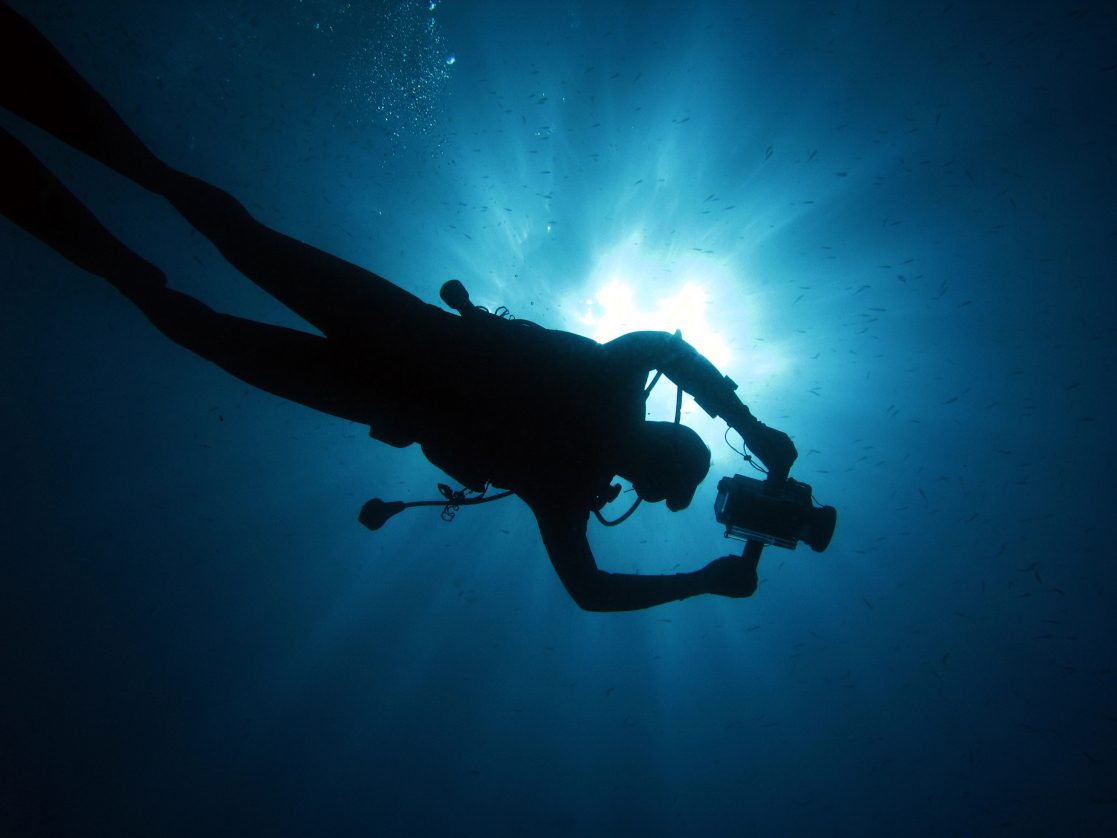
The allure of filming underwater can be incredibly enticing for independent content creators. Underwater footage and photographs offer new perspectives and a different ‘dimension’ almost, turning ordinary scenes into colourful, vibrant and captivating experiences.
This could come in the form of documenting marine life in their natural surroundings, creating picturesque sequences, or producing commercial business content with ocean footage as a backdrop to other virtual production elements. Whatever your content objectives as a creator, understanding how to make your underwater cinematography and photography stand out is pivotal in helping your footage break through the noise.
This short guide explores the essential techniques, equipment choices, and creative approaches you need to know to make your subaquatic film footage that much more compelling. Here’s how you can get started.
Understanding the Underwater Environment
Water presents certain challenges for content filmmakers that make it drastically different to standard filming. Some aspects are easier to manage, while others are more difficult. When beneath the water’s surface, light levels can be distorted, colours often shift with depth, and movement becomes inherently more complex. The natural environment when manoeuvring underwater can be either an enhancement or a detriment to your underlying creative process and vision, depending on how you utilise your equipment.
Light and colour are the two elements which are most affected and, thus, prove the most challenging. As you descend further, colours like reds and oranges dissipate more quickly, followed by yellow tones, giving shots a predominantly blue ‘filter’. This natural effect means that achieving true-to-life footage relies on creators balancing depth, lighting and colour correction in post-production. However, as with any creative outlet, you get back what you put in, and it’s no different when considering filming equipment.
Essential Equipment for Underwater Filming
Your underwater filming equipment can either make or break your final product. Without question, you’ll need a reliable waterproof camera housing, rated appropriately for the depths you’ll be filming. Professional underwater camera housings can be pricey but many affordable options exist for content creators on a strict budget.
Action cameras like GoPros offer a cost-effective and user-friendly starting point. Waterproof casings are usually very easy to handle, with built-in wide-angle lenses working well underwater, giving users a broad canvas to work with. The downside is that sometimes GoPro footage can often be a little pixelated and scratchy, which is why upgrading to a mirrorless or DSLR camera can offer a more elevated production value, not to mention durability and maintenance improvements. Provided you have a suitable waterproof casing, this should give you ample opportunities to capture high-quality shots aplenty.
As you become more accustomed to filming underwater, lighting equipment becomes more imperative. While underwater footage can be improved with an abundance of natural light, particularly in shallow water, some underwater lights can give you a bit more creative freedom as you descend further down. Waterproof lighting can help you restore lost warm colours, even if it’s a basic video light which offers enough as you immerse yourself in deeper waters (provided there is enough natural sunlight).
Use Swimming Pools to Test and Practice
Before venturing into open water, swimming pools offer an ideal environment for mastering underwater filming techniques. Whether you have access to a private one or use public pools, it’s always important to exercise proper etiquette when testing your equipment.
Pools provide a controlled and easy-to-navigate environment for refining essential skills, such as maintaining stability, managing buoyancy, and working with artificial lighting. If using a public space, make a conscious effort to be respectful of others, and obtain consent if necessary to test your equipment. Be transparent about your efforts to practice and be mindful not to be invasive.
Pools are exceptionally helpful for creators experimenting with different equipment settings and shooting angles without the pressure of navigating open water, which can be quite nerve-racking for some. However, swimming pools can contain certain design flaws that can affect raw footage. Poor lighting placement, reflective tiles, and inadequate depth markers can all impact your shots. Additionally, chlorinated water can appear more blue-tinted than ocean water, requiring different white balance settings.
Technical Considerations and Camera Settings
Achieving professional-looking underwater footage requires careful attention to camera settings.
- White balance: Maintain manual white balance as automatic sensors struggle with overwhelming volumes of blue. Anything below 30-40 feet can be challenging.
- Shutter speed: Faster shutter speeds can prevent motion blur often seen underwater, but require more light.
- Frame rate: Higher frame rates (60fps or more) allow for easier slow-motion capture, which is handy for certain types of footage. However, this also mandates more light to be truly effective.
Other Considerations
Underwater filming offers unique opportunities for creative expression in ways that often aren’t possible when filming on land. Experimenting with upward and over-under angles is much easier due to the additional space and lack of gravitational pull in your direction. Smooth, slow movements often produce the best results, while real-time camera movement on land can sometimes feel disorientating and jerky.
Post-production plays an influential role in underwater filmmaking. Creators often need to make additional colour correction adjustments to restore natural colours, even with footage that appears well-shot and of premium quality. Stabilisation can help smooth out any remaining camera shakiness, provided that footage cuts are not so sudden and transitions appear natural. Leading photo editing software includes specific tools for underwater footage correction to enhance contrast and remove blue casts.
Finally, the most pressing concern should always be your safety. Never film alone and ensure you’re appropriately trained for the type of diving your shoot requires. Always maintain a respectable distance from marine wildlife and avoid unnecessary contact with sensitive ecosystems. Refer to PADI’s photography etiquette rules that all divers should pay close attention to.
Creating Professional Underwater Content
Mastering underwater filming requires patience, practice, and the right combination of technical knowledge and creative vision. As you develop your skills, focus on telling compelling stories that take advantage of the unique perspectives that underwater filming provides.
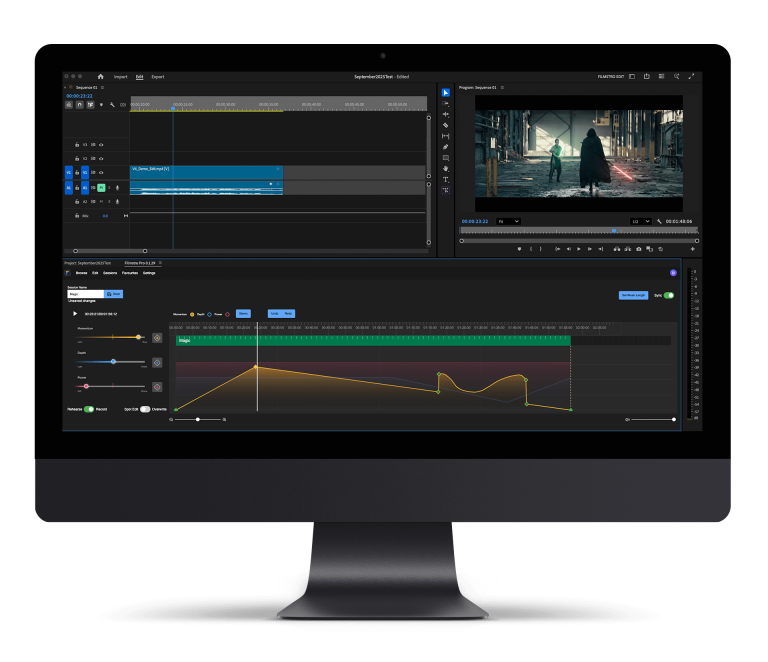
Remember that your choice of music can significantly impact how your underwater footage resonates with viewers. Filmstro’s royalty-free music library offers a wide range of customisable tracks that can help bring your underwater videos to life, enabling you to create professional-quality content that captures the magic of the underwater world.