
For content creators, music can be an absolute game-changer. It can add dynamism and depth to any original content that you produce and distribute, evoking your desired mood and response from your followers.
However, nowadays, navigating music permissions can feel like a minefield. Whether you’re a YouTuber, filmmaker, social media content creator or influencer creating UGC (user-generated content), understanding music copyrights and licensing agreements might seem like an unnecessarily large hurdle. However, knowledge of this is essential for protecting yourself, your brand and your clients, while being respectful and mindful of contributing artists’ rights.
This short guide looks to break down all the essential facts and processes you need to remember when using copyrighted music for any of your content.
Understanding Music Copyright Basics
At its core, music copyrights protect original musical works and their owners. Every country has its respective music industry and copyright system, but the music business itself transcends global borders.
In the UK, for example, British companies, musicians and artists are granted direct protection under UK copyright law, which gives them control over how music is used and distributed in the UK. Music-makers in other countries will need to ensure they have sufficient control over their music when it’s used in the UK, and similarly, native artists, companies and musicians will want to control how their works are used internationally.
When content creators and companies want to expand their operations beyond familiar markets, various copyright laws need to be considered. For instance, some businesses explore alternative and financially lucrative environments like Gibraltar when setting up new operational bases, but this means they must comply with the Copyright, Designs & Patents Act 1988. This also means that content creators who use copyrighted music in their own original work must comply with the same law.
Luckily, the music industry has set up separate collecting societies and reciprocal agreements in each country. In the UK, the PRS and PPL issue licences to radio stations and other outlets to authorise their usage of copyrighted music. These institutions also pay royalties to their members through music that has been broadcast on such stations.
For every piece of music, two notable copyrights exist:
- Composition Copyright: Protects the underlying song itself, the melody, lyrics, and structure. This belongs to the songwriter(s) or publisher.
- Master Recording Copyright: Covers the specific recording of that song. This typically belongs to the recording artist or record label.
Why Content Creators Need to Care
Using copyrighted music without proper permission can lead to severe consequences for content creators. Not only can they see their monetisation take a hit, but they may also receive strikes on their channel(s) for improper usage, ultimately leading to legal action, financial penalties, and the complete dissolution of their account(s) and content. As such, their professional reputation may also be affected, meaning that brands may be less willing to work with them in the future.
Some countries allow creators to use copyrighted works without permission in certain situations, which is known as ‘fair use’. Social media platforms boast open-source libraries of music clips which can be used, for the most part, under this banner. However, there could come a time down the line when a popular video upload, for example, is suddenly bereft of audio and sound, due to a change in a licensing or copyright agreement. As such, creators need to be prepared for this eventuality.
For blossoming content creators relying on music to diversify and strengthen their content, it’s prudent to take steps to ensure they are being compliant and ethical when using music.
Essential Music Licences for Content Creators
Different types of licences apply depending on how you plan to use music in your original content:
Synchronisation (Sync) Licence
This licence is an agreement that gives a third party – such as a content creator – the right to use a song in a visual format like an advertisement, film, TV show or video game. You’ll need this when adding music to videos, creating promotional content, making advertisements or producing films.
Performance Licence
This licence is an agreement between a copyrighted song owner and a music user that allows them to play the song in public. Such situations could include live-streaming or broadcasting events with recorded music or posting a song for streaming online.
Frequent Music Licensing Pitfalls
It’s common for content creators to fall into common traps surrounding music usage:
- “But I bought the song!”
Purchasing a song on Apple Music, Spotify or another platform doesn’t grant you the right to use it in your content. You need specific licensing for that.
- “I credited the artist.”
Simply crediting the artist doesn’t substitute for proper licensing. While it’s good etiquette, it doesn’t provide legal protection.
- “The clip only lasts a few seconds.”
Even brief uses of copyrighted music can lead to claims. There’s no universal “safe” duration.
- “It’s non-commercial use.”
Non-profit status doesn’t exempt you from copyright laws. You still need proper licensing.
Solutions for Content Creators
Several options exist for legally using music in your content:
1. Royalty-Free Music Libraries
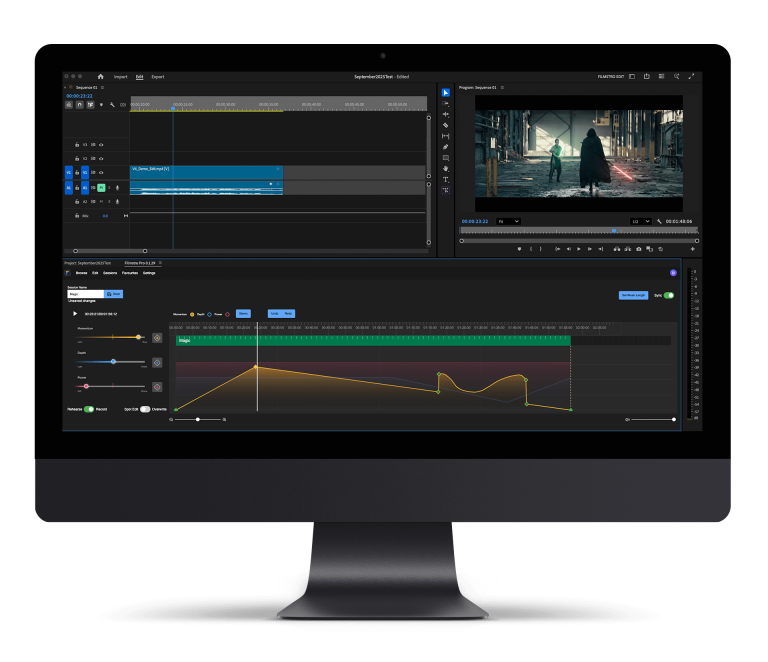
Services like Filmstro offer an extensive library of licenced and royalty-free music that you can use safely in your content.
Benefits include:
- Clear licensing terms
- No recurring royalties
- High-quality, professional music
- A broad range of genres and compositions
2. Creative Commons Music
Many musicians and artists release their music under Creative Commons licences, which give creators the legal right to use music in their content. However, be sure to:
- Check the specific licence terms
- Verify commercial use permissions
- Ensure there are no “No Derivative Works” restrictions
Best Practices for Music Usage
Influencers and content creators may face challenges when trying to use licensed music on social media and on YouTube, for example. To ensure you are protecting yourself and your work, obtain the necessary sync licence and attempt to use royalty-free music where possible.
While you may find a library of suitable and usable music and sound effects, there may come a time when you may want to use a famous or popular song. If that’s the case, it’s recommended to obtain permission, by identifying the copyright holder(s) of the song (such as the songwriter, performer or publisher), negotiating terms and fees and obtaining written approval, making sure any disclaimers are in plain sight.
Content removal can be frustrating and damaging, so be prepared to dispute the claim if you have the relevant licences and have relevant supporting documentation. Content creators can dispute Content ID claims if they believe they have the necessary rights to use copyrighted material. Be sure to remove any copyrighted material and re-upload without any music that infringes.
While this guide provides general information about music copyrights and licensing, it’s important to note that copyright law can be complex and varies by jurisdiction. For specific legal advice, always consult with a qualified legal professional.
However, to save you the most trouble and hassle, it’s recommended to take advantage of royalty-free music from Filmstro that can do your content justice. With this straightforward solution to legally and ethically incorporating music into your work, you can continue to create engaging content that resonates with your audience and allows you to do what you do best.
Note: This article is intended for informational purposes only and does not constitute legal advice. Please consult with a qualified legal professional regarding individual situations.